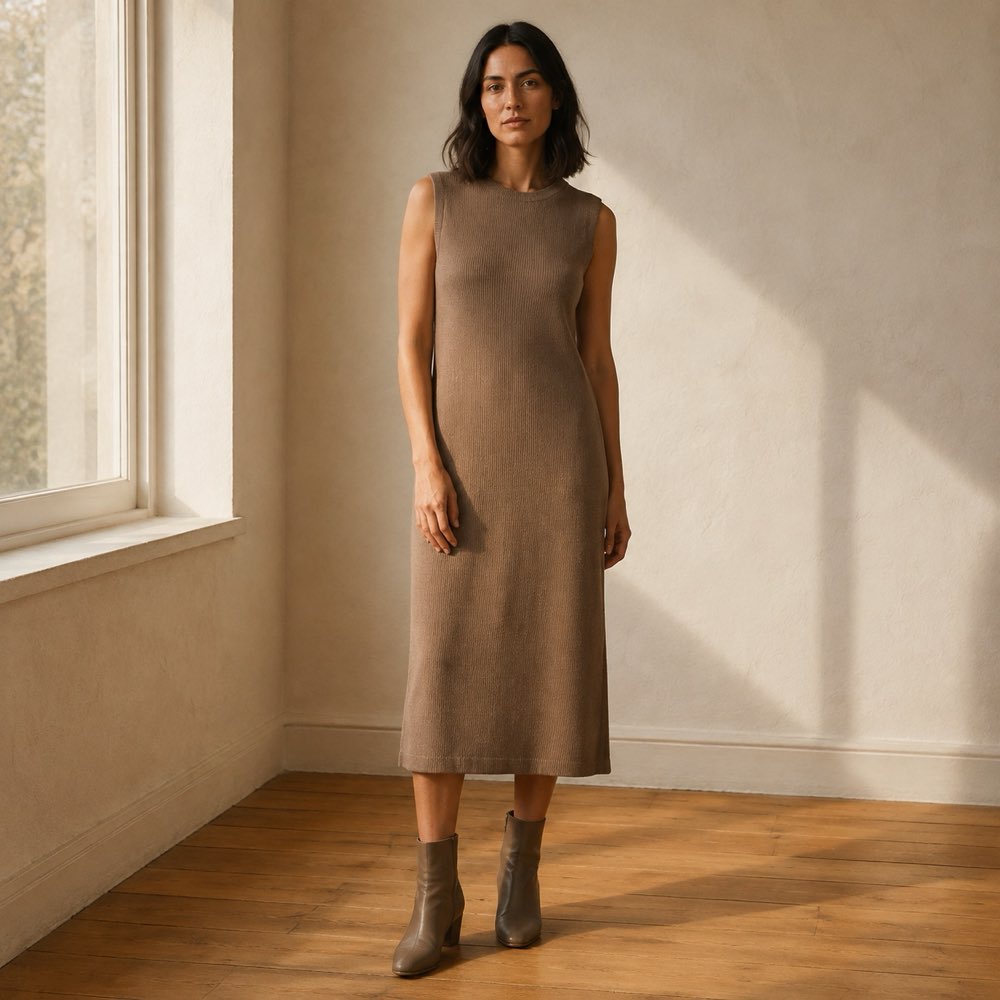
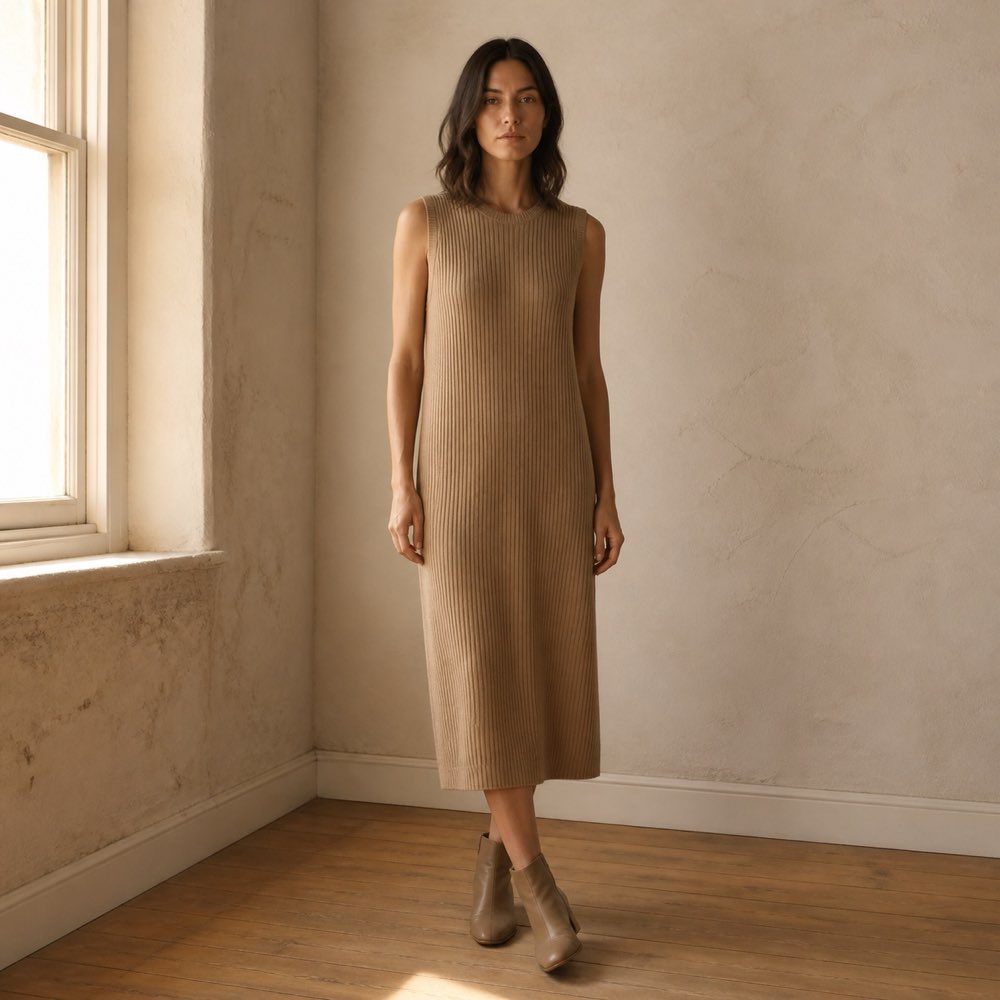
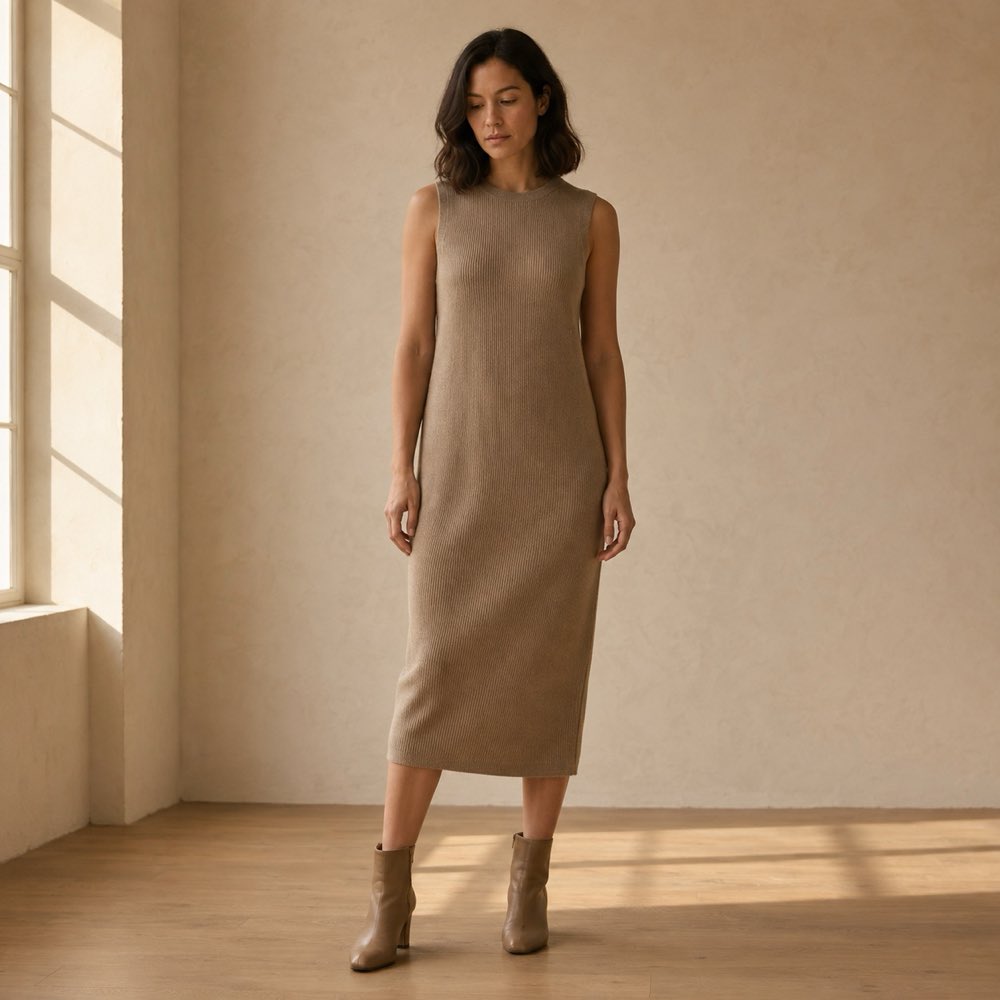
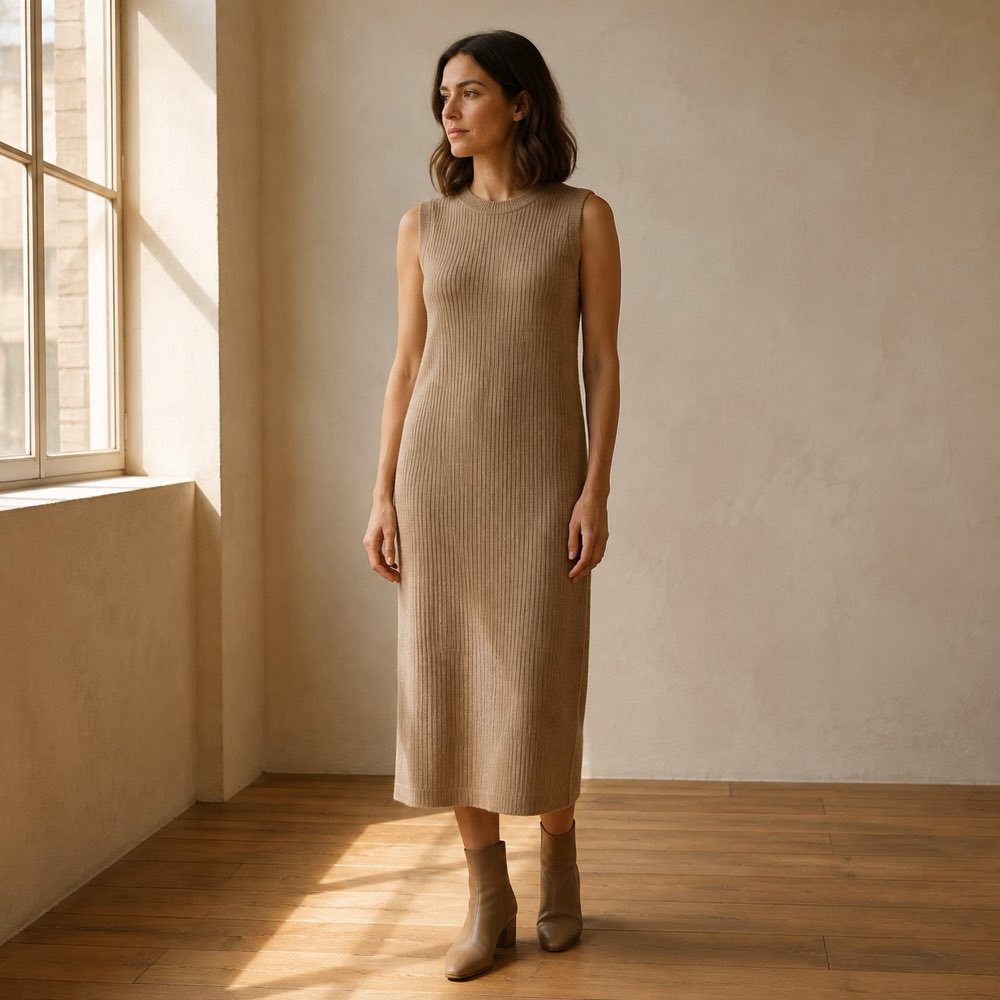
The market is full of packs promising fifty fashion prompts. They work, in the narrow sense: paste one in, get an attractive image. Then you paste in the next one and get another attractive image that has nothing to do with the first.
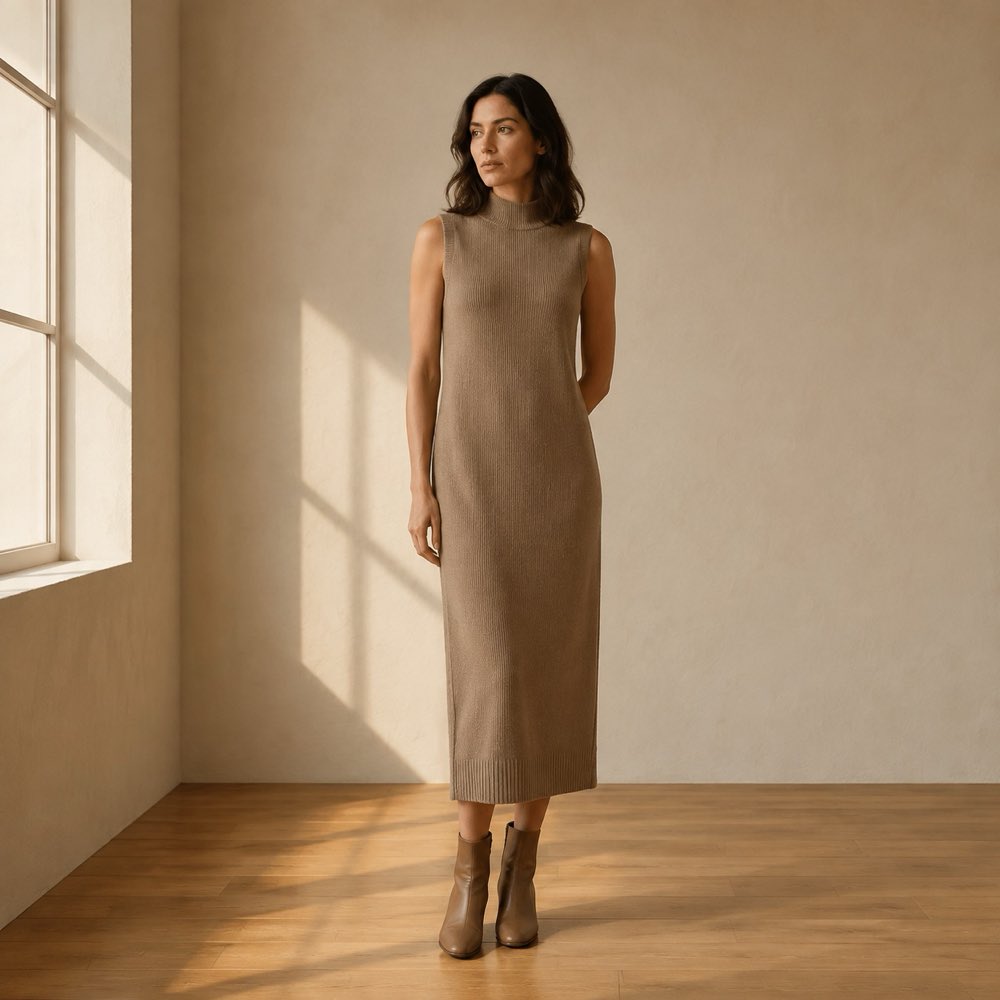
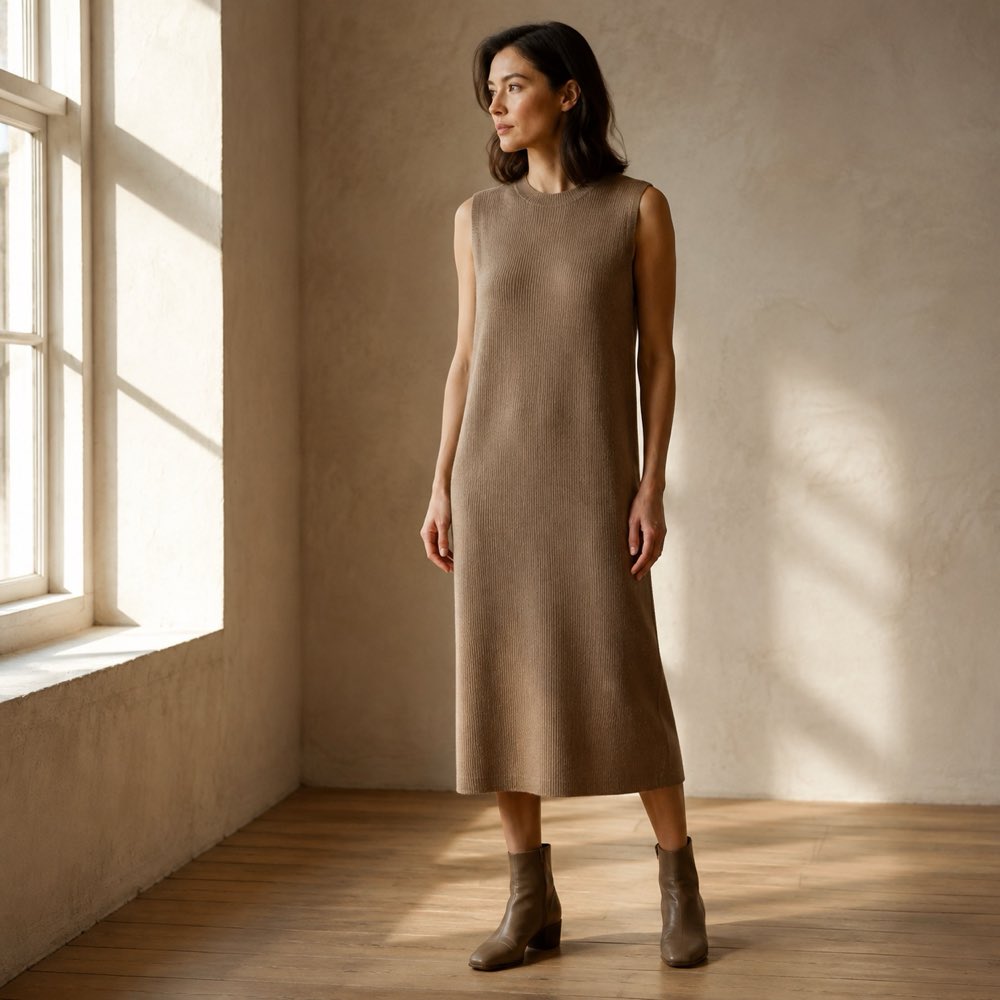
What a prompt cannot carry
- Which shots the campaign still needs, and which it already has too many of.
- What must not change between frame three and frame eleven.
- Which frames a buyer needs in order to buy, as opposed to admire.
- What crop each placement requires before anyone opens a generator.
- Whether the set can be defended to a brand.
These are direction decisions. They exist above the prompt, they are written down before generation starts, and they are the actual work. A prompt pack sells you the last four percent of the process and calls it the whole thing.
Prompts are a way of asking. Direction is knowing what to ask for and in what order.
The honest version
Prompts are genuinely useful once the direction exists. In the system we teach, a prompt is the last artefact produced — after the campaign thesis, the DNA sheets, the shot list, and the constants. By then the prompt almost writes itself, because every decision it encodes has already been made deliberately.
If you are buying prompts to skip the direction, you are buying a faster route to the same incoherent folder.